Construction Works
Definition, Types, and Procurement
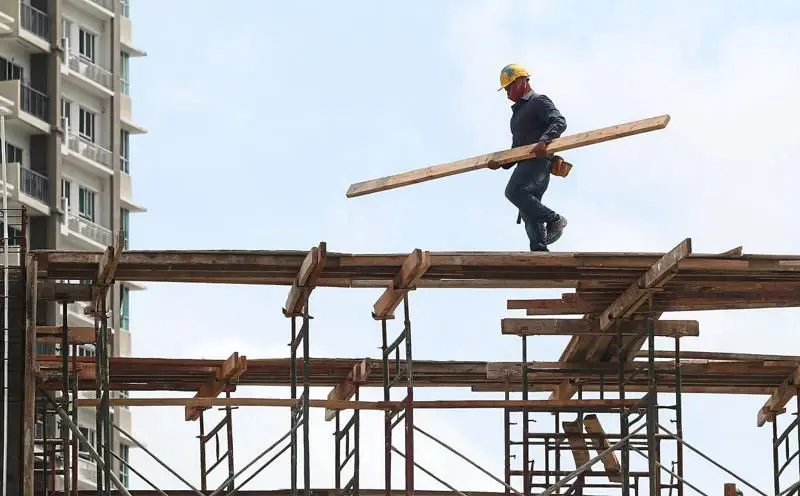
What is construction?
Construction is the process of building or creating structures, systems or organizations.
Construction projects can vary in scale, scope, and purpose, from residential homes to infrastructure developments like roads, bridges, and dams. The construction industry involves a collaborative effort between architects, engineers, contractors, and skilled laborers.
Construction works refers to the process of planning, designing, and building a fixed asset, such as a building, bridge, or road.
Building Construction
Building construction is the process of adding structures to areas of land, also known as real property sites. Typically, a project is instigated by or with the owner of the property who may be an individual or an organization, occasionally, land may be compulsorily purchased from the owner for public use.
Residential construction
Residential construction can be done by self-builders, specialists, property developers, general contractors, or public or social housing providers like local authorities and housing organizations.
Non-residential construction
Non-residential building construction can be purchased by a variety of commercial and governmental entities, educational and religious institutions, transportation corporations, shops, hoteliers, property developers, financial institutions, and other private businesses.
Infrastructure construction
Civil engineering is concerned with the design, building, and maintenance of the physical and natural built environment, which includes public works like roads, bridges, canals, dams, tunnels, airports, water and sewage systems, pipelines, and railways.
Industrial construction
Industrial construction includes offshore construction (mainly of energy installations: oil and gas platforms, wind power), mining and quarrying, refineries, breweries, distilleries and other processing plants, power stations, steel mills, warehouses and factories.
Types of construction
Construction
The process of building a structure, including planning, financing, and design
Repair and maintenance
Work to keep a structure in good condition
Demolition
The process of taking a structure down
Renovation
The process of improving a structure
Alteration
The process of making changes to a structure
Conversion
The process of changing the use of a structure
Extension
The process of making a structure larger
Procurement
Traditional or Design-bid-build
Design-bid-build is the most widely used and well-established form of construction procurement. In this arrangement, the architect, engineer, or builder functions as the client’s project coordinator. They design the works, develop specifications and design deliverables (models, drawings, etc.), administer the contract, tender the works, and oversee the project from start to finish.
Design-build
Design-build became more common from the late 20th century, and involves the client contracting a single entity to provide design and construction. In some cases, the design-build package can also include finding the site, arranging funding and applying for all necessary statutory consents. Typically, the client invites several Design & Build (D&B) contractors to submit proposals to meet the project brief and then selects a preferred supplier.