Air Conditioning Installation
Definition, Types, Techniques and Benefits
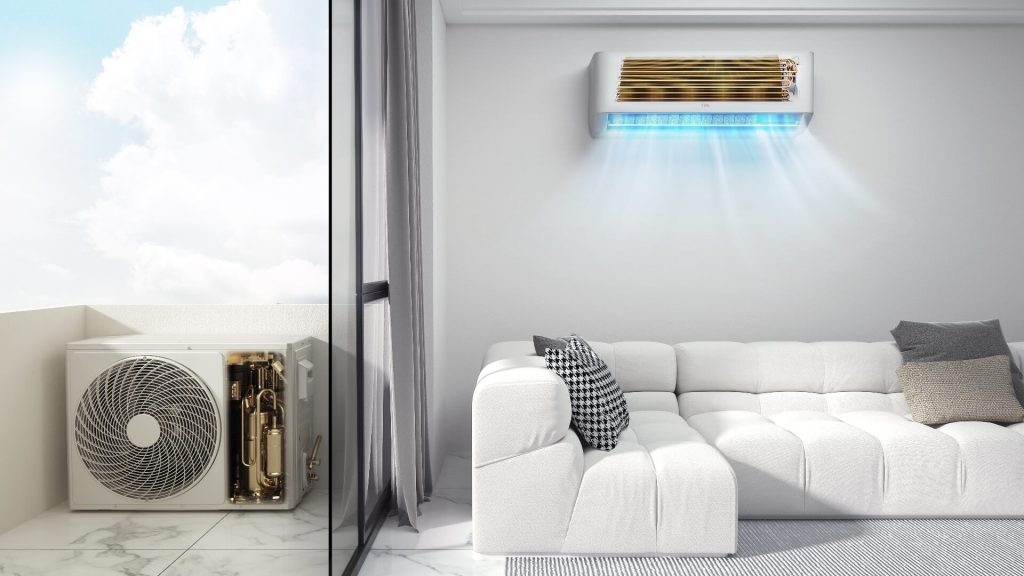
What is air conditioning?
Air conditioning, or A/C, is the process of regulating temperature, humidity, and air quality in an enclosed room. It is typically intended to make people more comfortable, although it can also be employed in industrial situations.
Air conditioning systems exchange heat and water vapor between indoor and outdoor surroundings. They extract heat from interior air and transmit it outside while also removing excess moisture.
Types of Air Conditioning
Wall-mounted, split unit air conditioning system
A split system air conditioner has two units: one on the outside and one inside. The compressor, condenser coil, and expansion coil are housed in the outside unit, which is mounted on or near the outer wall of the area to be cooled. The indoor unit is mounted on the wall and houses the cooling coil and an air filter.
Packaged air conditioner
Packaged air conditioning systems provide a bigger cooling or heating capacity, making them suitable for larger homes or commercial buildings. They work by installing a single component and linking it to ducts installed throughout the rooms.
Central air conditioning system
Central air conditioning systems are generally used to cool large homes or buildings such as gyms or offices. These central systems are the most common type of air cooling systems as they are quick and efficient at cooling down larger areas.
Window air conditioner
These air conditioners are mounted in a window and used to cool a single room or space. They are perfect for households where people typically occupy only one room at a time. A window air conditioning system is a freestanding, self-contained equipment with all of its components housed in a single box.
Portable air conditioning unit
This little air conditioning unit performs as advertised. It is a movable unit that does not need to be permanently installed. They’re simple to install and operate by eliminating heat from the air in your room via a little exhaust. This unit can be moved from room to room to focus attention where it is most needed.
Techniques Used in Air Conditioning
Passive Ventilation
Passive ventilation is the process of delivering and removing air from an indoor environment without the use of mechanical devices.
Passive Cooling
Passive cooling is a building design method that focuses on heat gain control and dispersion in order to increase indoor thermal comfort while using little or no energy.
Daytime Radiative Cooling
Passive daytime radiative cooling (PDRC) surfaces use an infrared window to reflect incoming solar energy and heat back into outer space, providing cooling during the day.
Thermal buffering
Heat storage is employed in cold places at night or throughout the winter. Heat can be stored in earth or masonry, and air is drawn past it to heat or cool it.
Evaporative cooling
Evaporative coolers may appear to be inoperable during periods of excessive humidity, when there is insufficient dry air with which the coolers can work to keep the air as cool as possible for dwelling occupants.
Benefits Of Air Conditioning
All this heat comes with serious consequences to human life and health which makes the smart use of air conditioning very important. The benefits of a good air conditioning system makes it a worthwhile investment.
It’s literally a life saver
Keeping cool with an efficient air conditioner is the best means of preventing heat-related deaths and illnesses, according to the Centers for Disease Control and Prevention.
Better air quality
Air conditioners circulate and filter air, removing pollutants and mold from the air. This is especially important for people who suffer from allergies and asthma because it minimizes the irritants that trigger an attack.
Fewer insects and parasites
The filters also keep out insects and are far more effective than a screen in an open window. Insects are annoying but they can also be dangerous to people with allergies.
Improved work force efficiency
When offices are air-conditioned, people can work more efficiently and make better decisions.
Cooler tempers
The heat does not just affect our minds. As the mercury rises, so do tempers. All of this contributes to more aggressive behavior, making a cool climate essential for sustaining peace at home, work, and in public settings.
Easier sleep
The same bodily changes that cause us to become upset, such as increased heart rate and blood pressure, can also make it nearly impossible to sleep well. One’s core body temperature is also an important role in falling and staying asleep.
Protects furniture
Heat, particularly the humidity that typically accompanies it, can wreak havoc on any type of furniture. Wood acquires and loses moisture with the surrounding air, causing warping over time.
Better security
We’ve already explored how open windows, even with screens, have a limited ability to keep bugs out. They’re especially poor at keeping out unwelcome visitors.