EV Charger
Definition, Types, Factors and Consideration
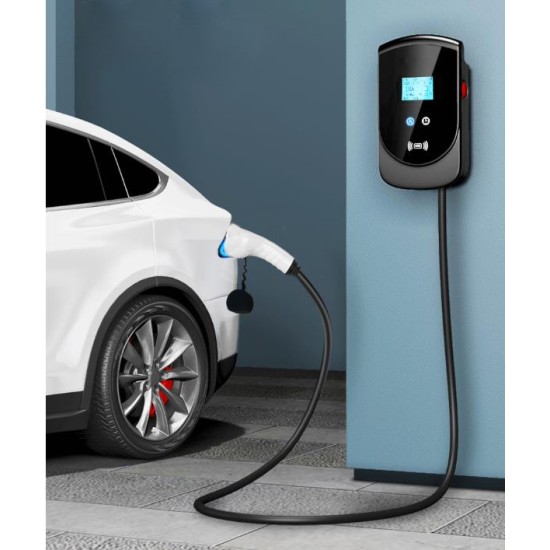
What is an EV Charger?
Electric vehicles (EVs) have transformed the automobile industry, providing a cleaner, more environmentally friendly mode of transportation. As the demand for electric vehicles increases, it is critical to understand what EV charging is and how it may help the move to a greener future.
Both electric and plug-in hybrid electric vehicles, like any other charging item or technology, require an EV charger to keep their batteries charged.
At its most basic, an EV charger draws an electrical current from 240v power and distributes it to the car, just like any other appliance or gadget charged by connecting into a wall.
Types of EV Charging
EV charging is mainly divided into level 1 charging and level 2 charging. These two different levels represent different charging speeds and power capacities.
Level 1 Charging
Level 1 charging is the slowest way to charge an electric vehicle. It normally connects to a standard domestic electrical outlet (120 volts) and the portable charging wire that came with the car. Level 1 charging is useful for overnight charging at home or when access to more powerful charging outlets is limited. However, because of its reduced power output, Level 1 charging is very slow and may not be sufficient for longer travels or more demanding use.
Level 2 Charging
Level 2 charging provides faster charging times than Level 1. It requires a separate 240-volt charging station. Level 2 chargers can be installed in homes, businesses, and public charging stations, and they provide more power output, allowing for faster charging than Level 1.
Factors affect EV charging
Understanding the elements that influence EV charging is crucial for improving the charging experience and guaranteeing efficient and reliable EV charging. The following are the primary elements influencing EV charging:
Charging speed and power level
Charging speed depends on the power level of the charging station and the charging capacity of the vehicle. Level 1 charges slowly, and Level 2 charges faster. Higher-power charging stations can provide more power to the vehicle, reducing charging time.
Charging infrastructure
The availability and accessibility of charging infrastructure play an important role in EV charging. The expansion of charging infrastructure ensures EV owners have enough options to charge their vehicles, reducing range anxiety.
Grid capacity
The capacity of the local grid affects charging availability and charging speed. For example, in areas with limited grid capacity, multiple high-power chargers operating simultaneously may result in slower charging. Upgrading grid infrastructure to handle growing EV charging demands is a must for an optimal charging experience.
Power demand and charging time
The overall electricity demand in a given area can affect the speed at which EVs can be charged. Charging during periods of peak electricity usage, such as peak hours, may result in slower charging. Charging during off-peak hours, when electricity demand is lower, may provide faster charging and may be more cost-effective.
Safety Considerations
Charging stations are typically accessible to several electric vehicles and equipped with current or connection detection systems that disconnect power when the EV is not charging.
Sensor wires offer feedback signals in accordance with the SAE J1772 and IEC 62196 schemes, which necessitate the use of specific (multi-pin) power plug fittings.
Current sensors monitor power consumption and only retain the connection when demand is within a predefined range.