General Wiring
Types Of Wiring – Definition, Types, Applications and Consideration
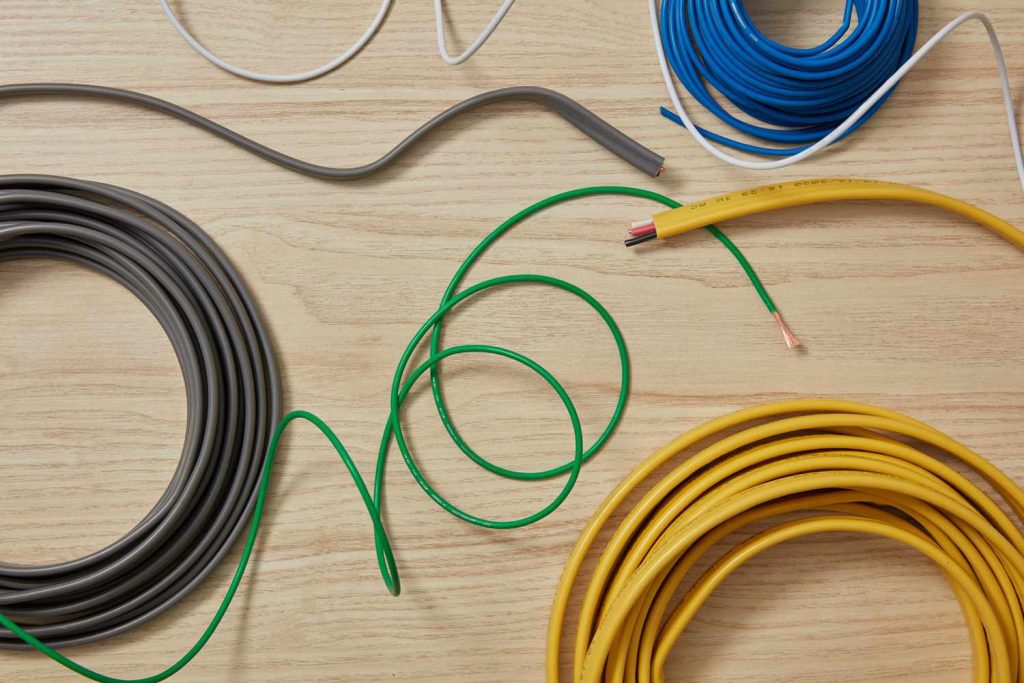
What is electrical wiring?
Electrical wiring is a structured cabling installation that distributes power to numerous electrical equipment to maintain a constant power supply. These devices include fuses, switches, sockets, lights, fans, and so on.
Electrical wiring is the process of transferring electrical power through wires in an optimal manner to suit both the electrical and economic requirements of a certain place. It is carefully connected to the electrical source to ensure that the power supply remains uninterrupted.
If the electrical wiring in a structure, such as a building, is properly built, load control and distribution will improve. These wiring conductors in that place, building, home, etc., are economical and can be used for a variety of purposes.
Types of Electrical Wiring
The various types of electrical wire and types of wiring connectors have been provided below
Tee System or Joint Box System
Using this wiring, the various appliances can be connected. Since it does not require excessive cable size, it is perfect for doing temporary installations because it is economical.
Loop in System
This system is utilized, so lamps and other appliances are connected in parallel to enable individual control of each device. They are readily available and easy to obtain for locating errors.
Cleat Wiring
Insulated wires with VIR or PVC are used in this wiring, and the wires are braided and mounted on the walls and ceilings using porcelain cleats, wood, or plastic.
Batten Wiring
TRS cables with one core, two, and three cores are utilized in this wiring configuration. These cables may be resistant to steam and chemicals and water resistant.
Casing and Capping Wiring
Wooden casings protect the VIR cables in this wiring layout. It is a practice that is no longer prevalent. Repairs are much easier when the phase and neutral wires are placed separately in their slots.
Lead Sheathed Wiring
These are electrical conductors wrapped in a 95% lead aluminum alloy with an air-tight sheath. The coating protects the wires from air corrosion, moisture damage, and mechanical stress.
Conduit Wiring
Surface conduit wiring: It is a type of wiring typically put on the surface of a wall or ceiling. In this step, holes are drilled at regular intervals, and plugs are used to connect the conduit to the holes.
Electrical Wires
The wire is the term used to refer to a single electrical conductor or a single channel that is capable of carrying electricity. The component of the wire that carries electrical current is called the conductor.
Common Applications
General Circuits
NM cable is typically used for general lighting and outlet circuits within walls, ceilings, and floors.
Outdoor Wiring
UF cable is ideal for outdoor lighting, garden power outlets, and other applications requiring direct burial.
Exposed Areas
Armored cable is often used in basements, garages, and other areas where the wiring might be subject to physical damage.
Commercial Use
THHN/THWN wires are frequently employed in commercial buildings for their durability and compliance with stringent safety standards.
Low Voltage Systems
Low voltage wires are essential for home automation, security systems, and other low-power applications.
Safety Considerations
Understanding the fundamentals of electrical wiring is critical for anyone who wishes to undertake electrical work safely and professionally. You can ensure a functional and safe electrical system in your home by using the appropriate wire for the job and following safety requirements.
Correct Sizing
Always use correct wire size for the intended electrical load to prevent overheating and. The wire gauge must match the amperage of the circuit.
Proper Insulation
Ensure that all wiring is properly insulated to prevent electrical shorts and shocks. Damaged insulation should be replaced immediately.
Secure Connection
All electrical connections should be secure and properly enclosed in junction boxes. Loose connections can lead to arcing and fires.
Code Compliance
Follow local building codes and regulations for electrical installations. Codes are designed to ensure safety and efficiency.